Login
Login

Sleep as Non-Negotiable: The Rest Reckoning
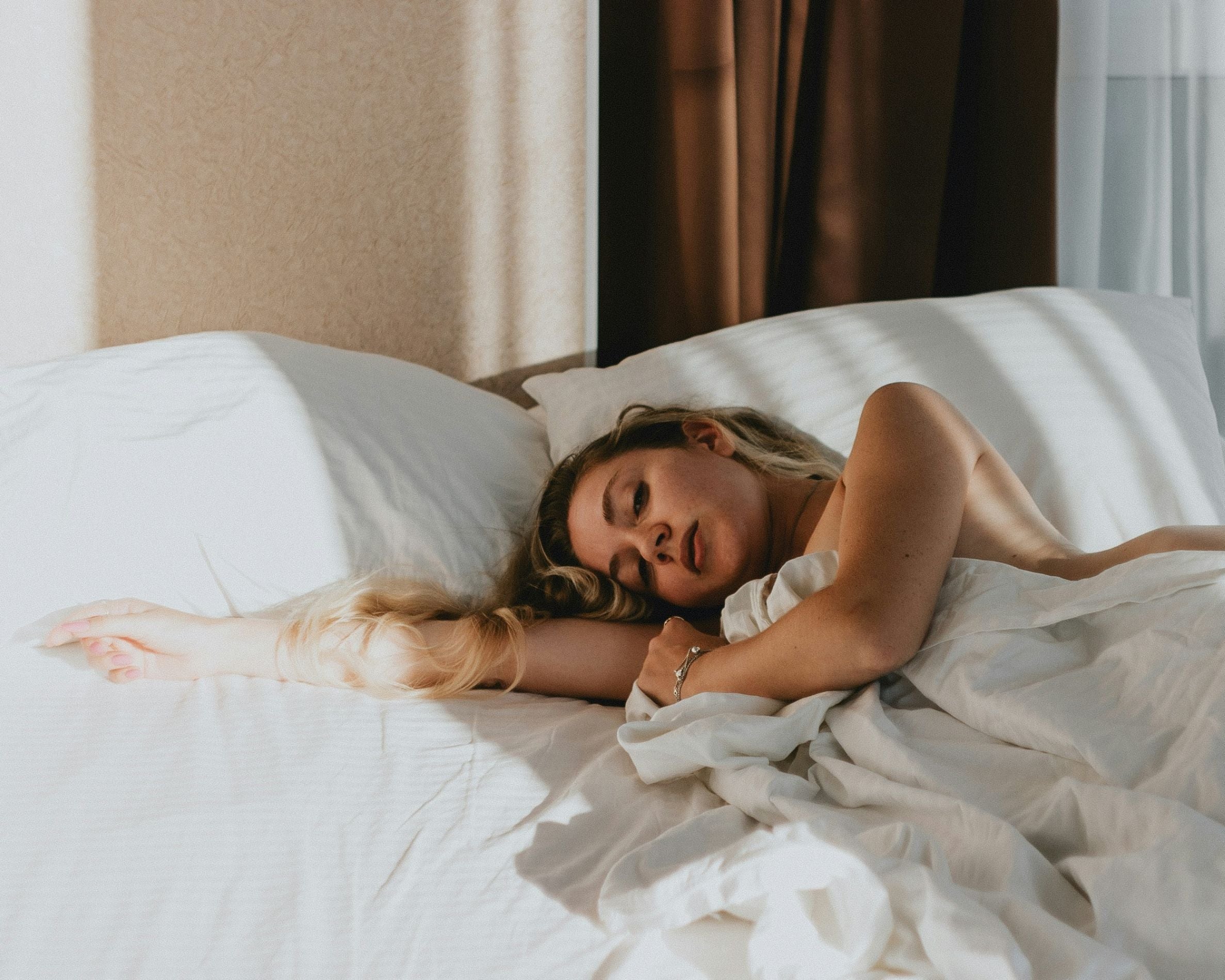
Sleep has undergone a significant repositioning in Australian health conversations this year, moving from a wellness afterthought to something increasingly treated as a genuine non-negotiable, on par with diet and exercise in how seriously it's discussed. The shift is being driven by a growing understanding of just how tightly sleep and stress are intertwined, forming a loop that's proven remarkably difficult for people to break through willpower alone: stress disrupts sleep, and poor sleep in turn diminishes the body's capacity to manage stress the following day.
This isn't merely an anecdotal observation. Sleep researchers have long documented the bidirectional relationship between sleep quality and stress hormone regulation, particularly around cortisol. Chronic short or poor-quality sleep is associated with elevated baseline cortisol, which in turn makes falling and staying asleep more difficult the following night. For a population increasingly juggling long working hours, high-stress jobs and the pervasive, always-on nature of digital communication, this loop has become a genuinely common experience rather than an isolated problem.
What's notable about the current response to this issue is its restraint. Rather than a wave of elaborate sleep-tracking gadgetry, temperature-controlled mattresses and biohacking protocols, all of which have their place for a smaller, more dedicated subset of the population with the broader public response has skewed toward simple, low-intervention rituals designed to signal to the body that the day is ending. A consistent bedtime, a calming pre-sleep routine, and reduced screen exposure in the final hour before bed have all re-emerged as the most commonly recommended interventions, precisely because they're accessible without specialised equipment or expense.
Herbal tea has found particular traction within this simpler approach, and there's a reasonable evidence base behind several of the ingredients commonly used. Chamomile contains apigenin, a compound that binds to specific receptors in the brain associated with reduced anxiety and sedation, and several small clinical trials have found modest improvements in sleep quality among regular chamomile tea drinkers. Lavender, similarly, has been studied for its calming effects when consumed or even simply inhaled before bed, while passionflower has a longer traditional history of use for anxiety and sleep, with a smaller but growing body of clinical research supporting its use as a mild sedative.
None of these herbal ingredients function as a cure for serious sleep disorders, and it's worth being clear-eyed about that distinction and persistent insomnia or significant sleep disruption warrants proper clinical attention rather than reliance on tea alone. What herbal tea rituals do offer, more realistically, is a consistent behavioural cue: a repeated, calming action performed at the same time each evening, which itself carries genuine psychological value in signalling to the nervous system that the day is closing, independent of whatever mild pharmacological effect the herbs themselves provide.
The broader lesson Australians appear to be arriving at collectively is that sleep isn't something optimised through more effort or more technology rather it's protected through subtraction: fewer screens in the final hour, fewer stimulants in the afternoon, and a consistent, calming ritual replacing whatever previously filled that space. It's a less exciting message than a new wearable device, but the growing seriousness with which Australians are treating sleep in 2026 suggests it's one that's finally landing.