Login
Login
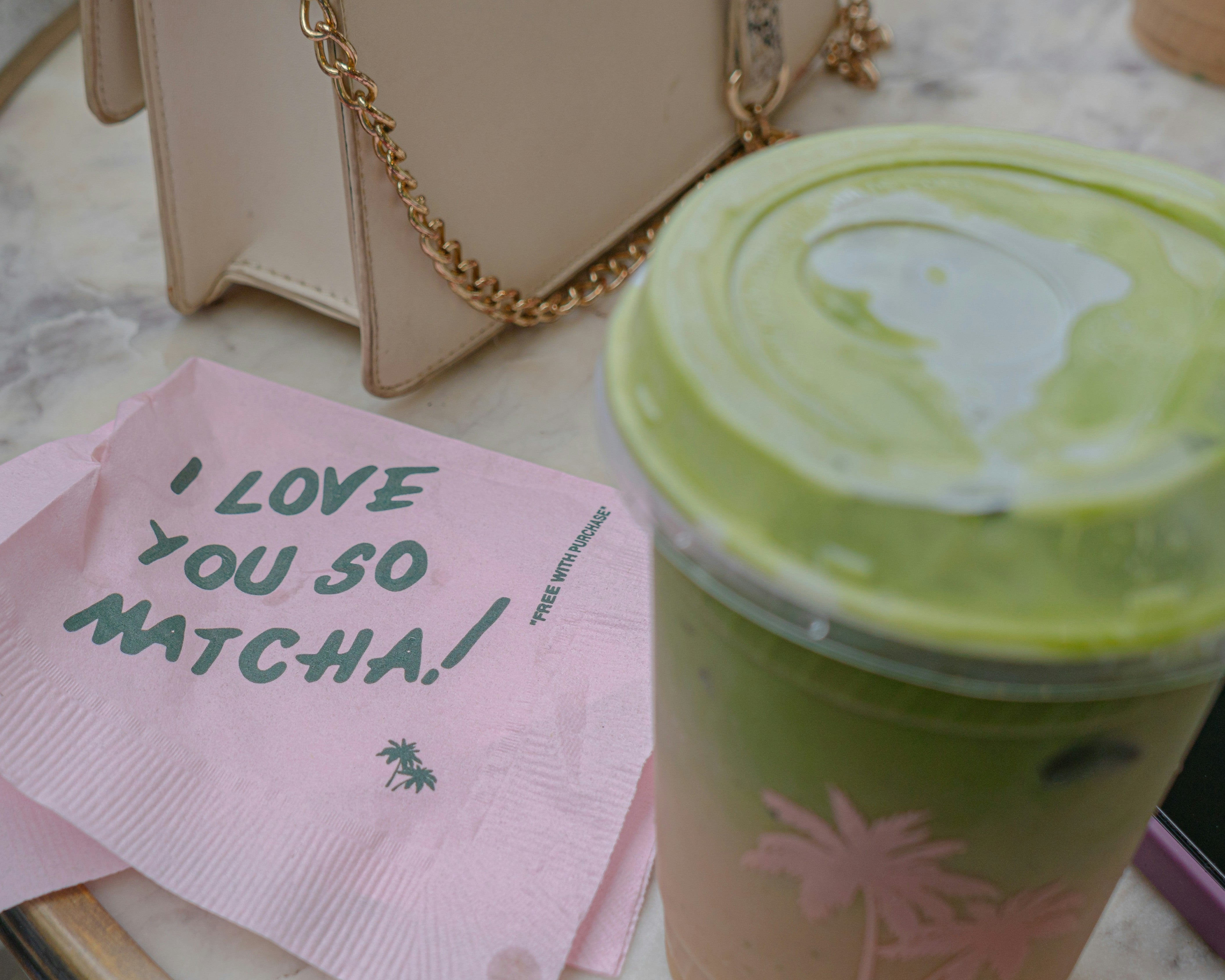
Beyond the Caffeine Hype: Matcha's Quiet Return to Ritual
Matcha has been part of the Australian wellness conversation for long enough that it risks becoming background noise - another green ingredient blended into a smoothie or listed on a café menu without much thought. But a closer look at how matcha is actually being consumed in 2026 reveals something more interesting happening beneath the surface: a deliberate return to matcha as a ritual object, rather than simply a caffeine alternative.
Part of this shift is about quality. Ceremonial grade matcha which is stone-ground, vivid green, grown specifically for direct consumption rather than as a flavouring ingredient, has become considerably easier to source in Australia than it once was, and its rise has coincided with growing consumer literacy about the difference between ceremonial and culinary grades. Where a culinary-grade matcha is often bitter and better suited to baking or blending with strong flavours, ceremonial grade is smoother and more complex, rewarding the slower preparation traditionally used to make it.
That slower preparation is, in many ways, the actual point of the current trend. Making matcha properly by sifting the powder to remove clumps, whisking it in hot water until a fine foam forms, then combining it with milk, takes several genuine minutes of hands-on attention, in a way that pressing a button on an espresso machine simply doesn't. For a wellness culture increasingly interested in slow, deliberate rituals over convenience, that friction has become a feature rather than a drawback.
There's also a physiological case for matcha's renewed popularity that goes beyond ritual appeal. Matcha's caffeine is bound to catechins, particularly L-theanine, which is generally understood to produce a steadier, longer-lasting form of alertness compared to coffee's sharper spike and subsequent crash. For people looking to reduce coffee intake without giving up caffeine altogether, matcha has become a genuine middle ground rather than simply a trend to be tried once and abandoned.
The category has also diversified considerably to meet different moments in the day. Ready-to-drink canned matcha lattes have made the ingredient accessible to people without the time or inclination for the full ceremonial preparation, while matcha has simultaneously found its way into skincare, where its antioxidant profile is being used in masks and topical treatments aimed at calming and protecting skin - a crossover that would have seemed unlikely a few years ago.
What ties both ends of the trend together of the ceremonial whisk and the grab-and-go can, is a broader cultural association matcha has picked up: it now signals doing something properly rather than quickly. Whether that's a considered morning ritual or a five-minute pause before a meeting, matcha has become shorthand in 2026 for a kind of intentionality that a regular coffee run doesn't quite carry.