Login
Login
Sober-Curious: Why Alcohol-Free Wine Is No Longer a Compromise
The sober-curious movement has moved well past its early "Dry January" origins and become, for a meaningful share of Australians, simply part of how they drink year-round. The scale of the shift is significant: the proportion of Australians purchasing zero-alcohol beverages more than doubled between August 2020 and January 2025, and the domestic non-alcoholic beverage market (valued at close to AUD $29 billion in 2025) is projected to keep growing at a compound rate of nearly 6% annually through to 2034.
What's changed isn't just the volume of people opting out of alcohol; it's the reason. Early sober-curious culture leaned heavily on abstinence as a health corrective such as cutting back after a period of over-indulgence, often tied to a specific event like a new year or a health scare. The current wave looks different: people choosing alcohol-free options as a genuine, ongoing preference, driven by broader wellness priorities around sleep, recovery and mental clarity, rather than guilt about past drinking.
The product category has had to grow up quickly to meet this shift. Early alcohol-free wines were notorious for tasting like an afterthought — thin, overly sweet, or simply missing the structure that makes wine interesting to drink. That reputation is fading as producers move away from a specific technical approach: de-alcoholising traditional grape wine, a process that strips out ethanol but often takes much of the wine's character with it. In its place, a newer generation of Australian producers has begun building alcohol-free wines from botanicals and other ingredients from the ground up, engineered specifically to be complex and interesting rather than reverse-engineered from something else.
Globally, non-alcoholic wine specifically is forecast to grow at just over 9% annually through 2031, reaching close to USD $2.85 billion. Industry data suggests no-alcohol products are driving the overwhelming majority of growth within the broader no-and-low alcohol category, well ahead of low-alcohol alternatives. That growth is being led disproportionately by younger drinkers: recent industry surveys show Gen Z and Millennial consumers reporting the strongest intent to try non-alcoholic drinks, suggesting this isn't a temporary correction but a generational shift in how a whole cohort relates to alcohol.
There's a social dimension driving this too. Communal rituals, long lunches, shared tables, group gatherings still remain central to Australian culture, and alcohol-free options are increasingly what makes those gatherings accessible to more people, more of the time: those who are pregnant, driving, managing health conditions, or simply choosing not to drink on a given day, without needing to sit out the ritual itself.
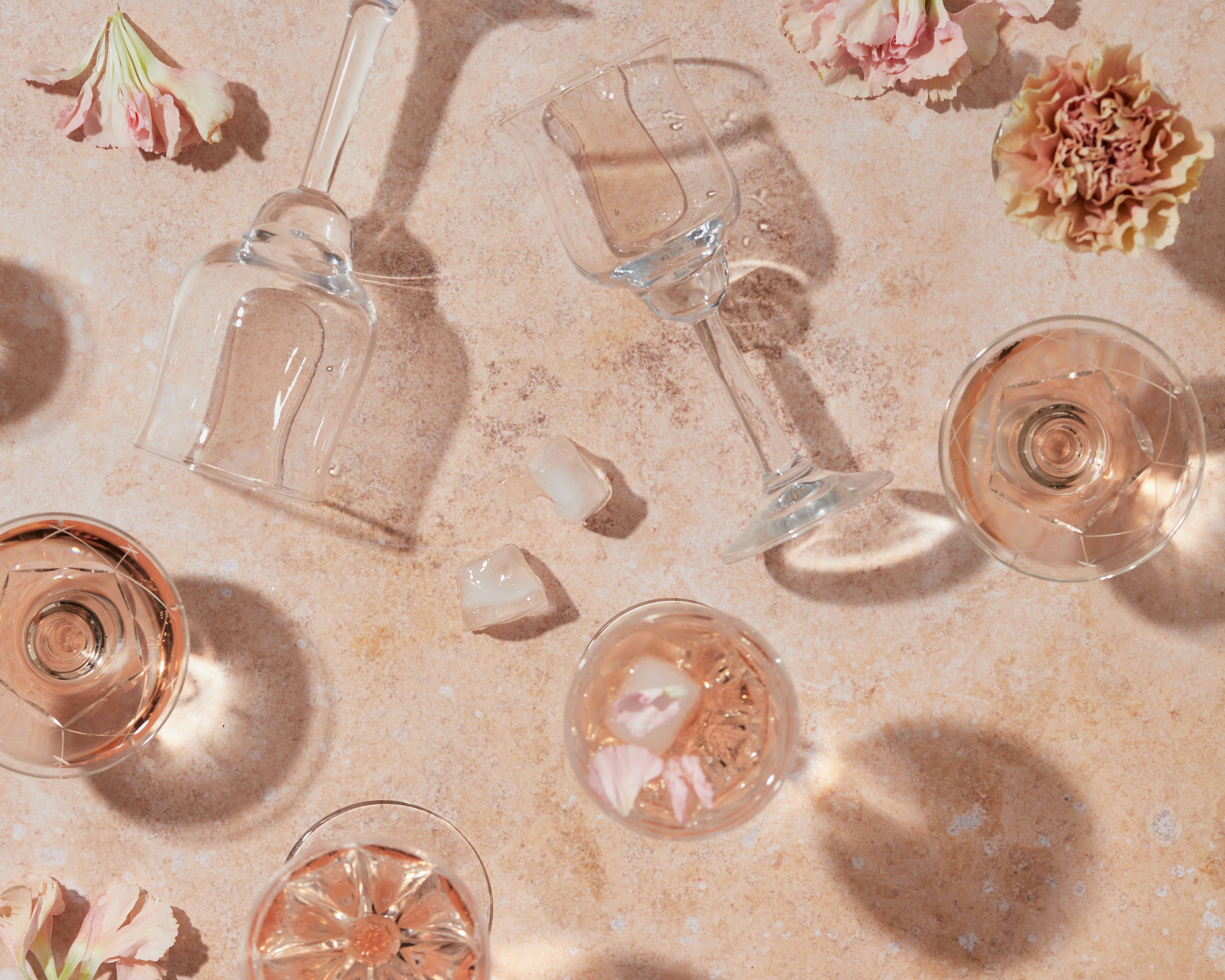
The net effect is a category that's stopped apologising for what it is. Alcohol-free wine in 2026 isn't positioned as a lesser substitute anymore rather, it's being poured into proper glasses, discussed with the same vocabulary used for full-strength wine, and chosen by people who simply prefer not to have alcohol in the glass, not because they're missing out on something better.